



Location
No. 228 North Street, Gaobeidian City, Hebei Province

Opening Hour
09:00 AM - 06:00 PM
Monday - Saturday
For More Information
Your Email Address
SIGN UP
Industries Provide Best Services
It has a number of invention patents and utility model patents, has passed a number of
management certification system certification certificates, and won the honorary title of
"National high-tech Enterprise" and "Hebei Province Specialized in special new small and
medium-sized enterprises."
VIEW MORE
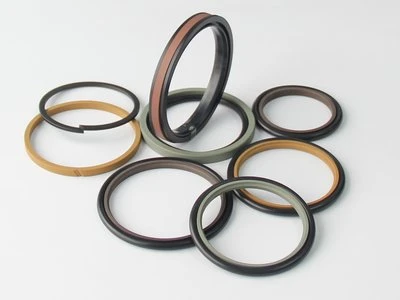
custom die cut gaskets
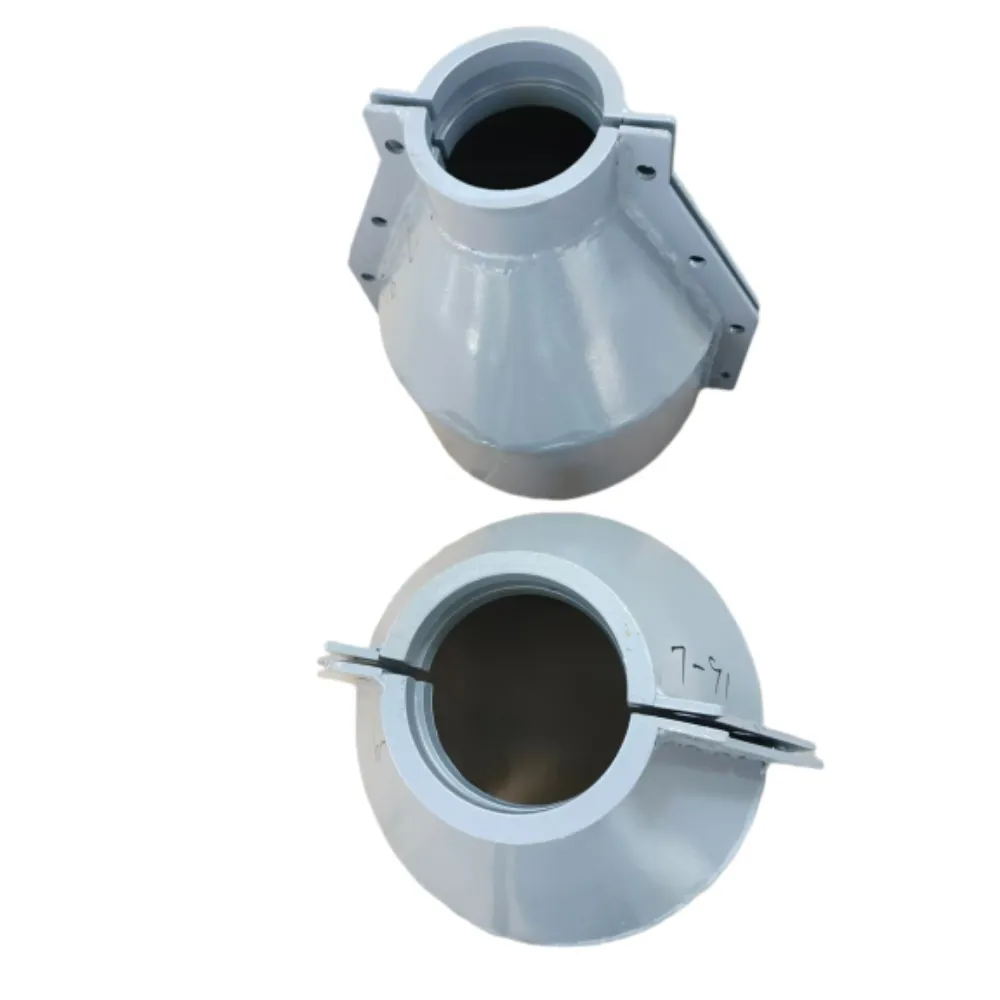
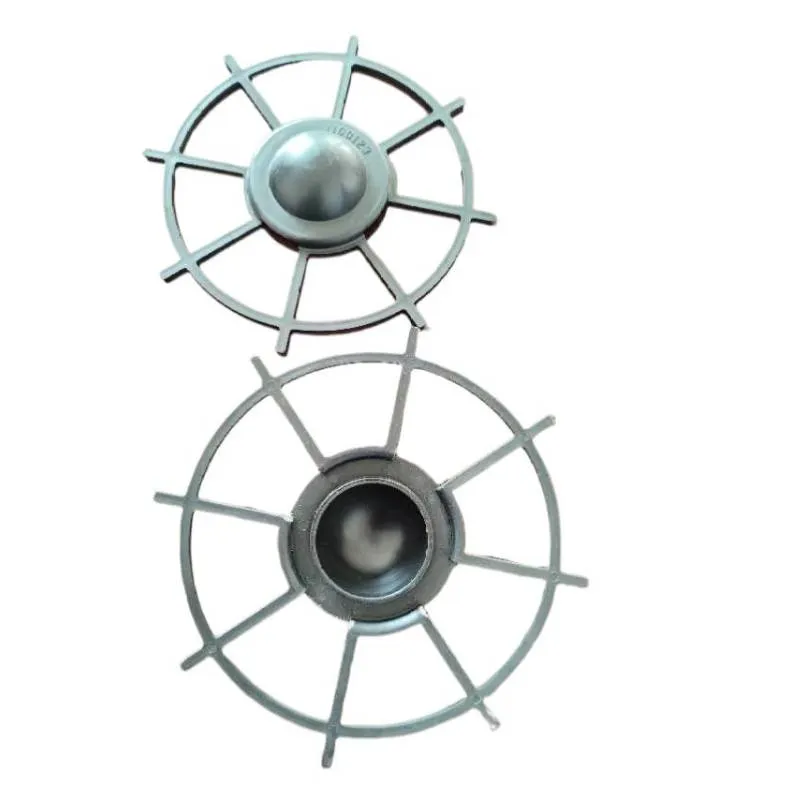
/Plastic Oil Pipe Pulley: a field note on performance, specs, and real-world use If you’ve ever had to move fluid lines through cramped plants or windy yards, you know the humble plastic wheel can make or break uptime. FY Gasket’s Plastic Oil Pipe Pulley—built in No. 228 North Street, Gaobeidian City, Hebei Province—leans into that reality. It’s moisture-proof, pressure-proof, and shockproof; not marketing fluff, frankly, but the sort of endurance you notice after a month in a salty air corridor. Industry trend snapshot Two things are driving adoption: lighter rigging and lower lifecycle cost. Composite pulleys and plastic wheel assemblies are displacing metal in oil & gas terminals, chemical plants, and food-grade handling because they’re quieter, non-corrosive, and easier on hoses. Many maintenance leads tell me downtime penalties, not capex, steer decisions now. That makes durable plastics surprisingly strategic. Where it’s used (and why it sticks) Oil pipe and flexible hose guidance on skids, spools, and yard reels Chemical transfer lines (corrosion-sensitive lanes) Temporary pipeline routing for turnaround work Marine bunkering and port-side hose management Operators like that a plastic wheel won’t rust-weld itself to a bracket, and it won’t chew the cover of a pricey hose. Less noise, too—neighbors notice. Product specifications (typical) Parameter Typical Value ≈ Notes (real-world use may vary) Material options PA6/PA66, POM, UHMW-PE Pick by load, wear, and chemical exposure Outer diameter 80–300 mm Custom sizes available Load rating 0.5–2.5 kN Depends on diameter and hub design Hardness Shore D 70–85 ISO 868 Water absorption (24 h) ≤ 1% (PA), ≤ 0.2% (POM) ASTM D570 Temperature range -30 to +90 °C Intermittent peaks +100 °C Service life 3–7 years Assumes proper alignment and load Process flow and quality controls Materials are selected (PA6/PA66 or POM for stiffness, UHMW-PE for abrasion), then parts are injection-molded or CNC-machined, depending on tolerance. Hubs get press-fit bearings; grooves are deburred to be hose-friendly. Each plastic wheel goes through dimensional checks (calipers + CMM), hardness (ISO 868), tensile sampling (ASTM D638 for batch), impact (ASTM D256), and a salt-fog spot check on metallic inserts (ASTM B117). Rotational endurance is validated on a rig: 100k–250k cycles at rated load, ISO 281 method for bearing life modeling. Certifications: ISO 9001 quality management; material compliance reports for RoHS and REACH upon request. Vendor comparison (at-a-glance) Vendor Customization Cycle Test ≈ Lead Time FY Gasket (Plastic Oil Pipe Pulley) Diameter, groove, hub, color 100k–250k cycles at rated load 10–20 days typical Vendor A (general import) Limited diameters ≤ 80k cycles 20–35 days Vendor B (catalog) Hub options only 100k cycles Stock/7–14 days Customization that actually helps You can tweak groove radius for specific hose ODs, add stainless or coated steel bearings, spec color-coding by media, even overmold a softer lip for ultra-gentle contact. I’ve seen a refinery cut hose replacement by about 18% just by switching groove geometry. Small detail, big delta. Field notes and feedback A coastal terminal reported zero corrosion-related swaps after 14 months—previous metal sheaves were seizing every quarter. Another client in a polymer plant said the plastic wheel ran quieter by “a couple decibels,” which sounds minor until you add up an entire bay. To be honest, the low-friction UHMW-PE groove option is the quiet hero here. Quick selection tips Match groove to hose OD; aim for ≥ 120% D/d ratio to minimize strain Use POM or PA66 for hotter spots; UHMW-PE for abrasion-heavy lines Confirm chemical compatibility (swab tests help, actually) Specify bearings for expected lateral loads; check seals for washdowns Origin: No. 228 North Street, Gaobeidian City, Hebei Province. Certifications and test reports available upon request. Authoritative citations ISO 9001:2015 Quality Management Systems. ASTM D638 – Standard Test Method for Tensile Properties of Plastics. ASTM D256 – Standard Test Methods for Determining the Izod Pendulum Impact Resistance of Plastics. ASTM D570 – Standard Test Method for Water Absorption of Plastics. ISO 868 – Plastics and ebonite — Determination of indentation hardness by means of a durometer (Shore hardness).
-
1985Year/Establishment
-
4hm²/Land area
-
150People/Number of employeesent
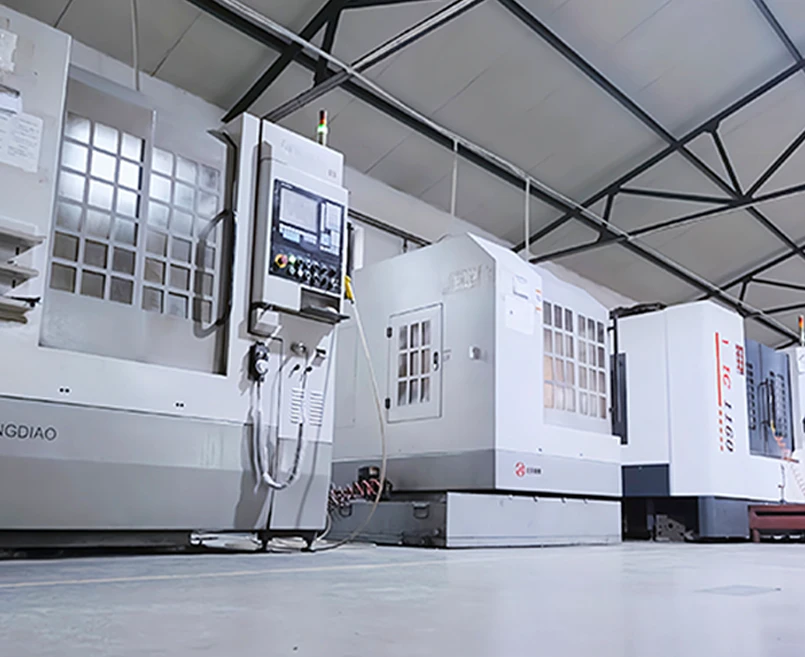
Company Advantage
Our Advantage Is To
Change Your Company
Change Your Company
-

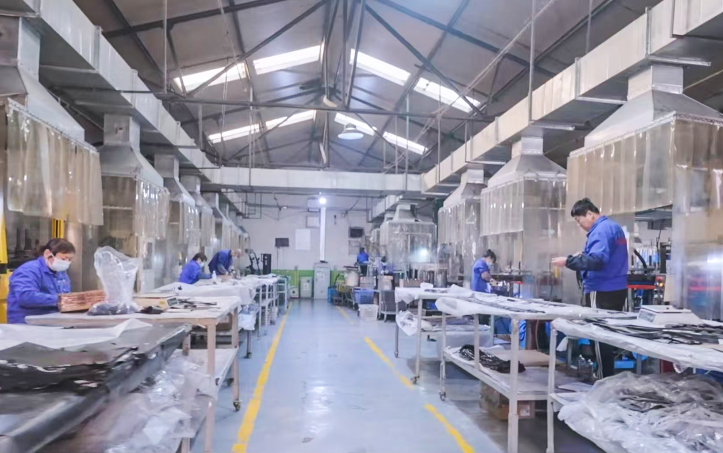
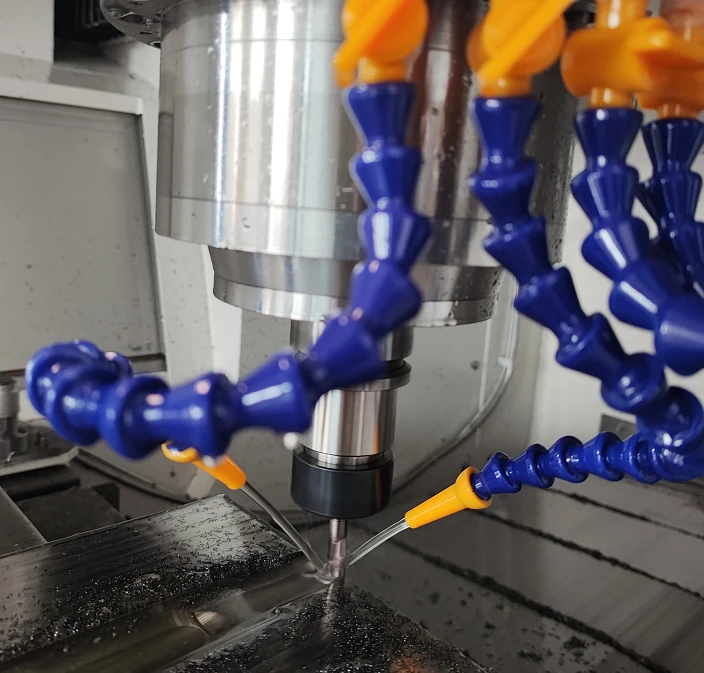
 ProfessionalWith 40 years of experience in customizing rubber and plastic products, we have rich production experience, advanced equipment, and a professional quality inspection system
 -

 ServiceProviding a full range of services including design, research and development, production, testing, etc., personalized customization, customer first, and quick response
 -

 ResourcesFactory direct supply, over a thousand application formulas and selection solutions, worry free after-sales service
Company Honor
Enterprise
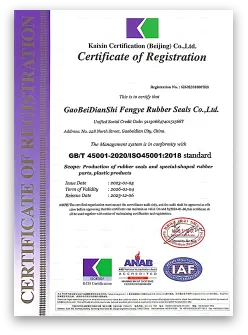
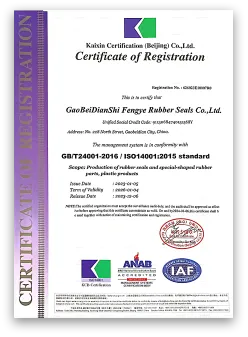
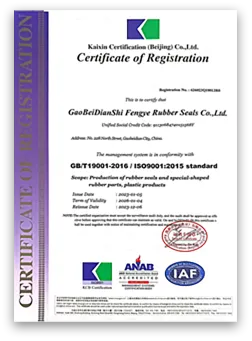
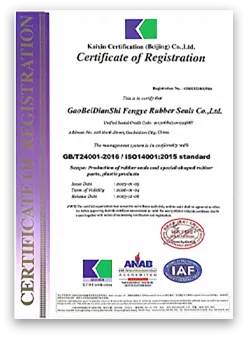
Honor Certificate
Honor Certificate
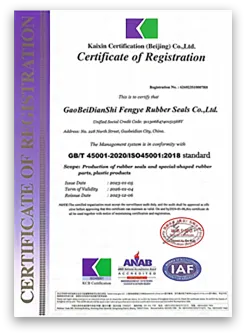
Has passed a number of management certification system certification
certificates, and won the honorary title of "National high-tech Enterprise" and "Hebei
Province Specialized in special new small and medium-sized enterprises."
VIEW MORE
Company News
Latest Blog & Aritcles
-
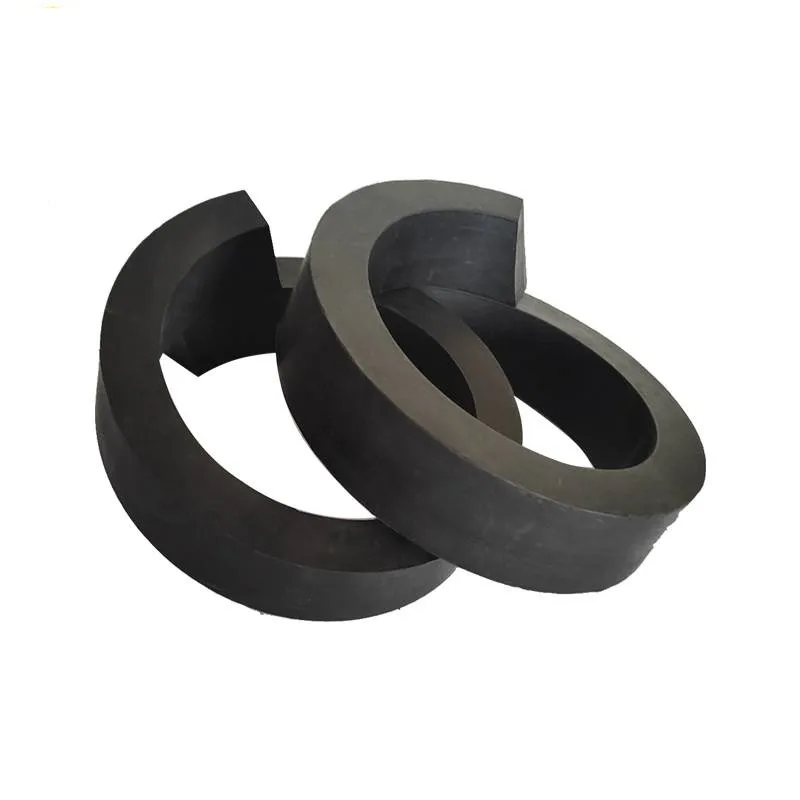 Durable 4 Inch Rubber Pipe Plugs | Secure Leak-Proof Seals2026-04-06 05:44Each year, the Hannover Messe stands as the undisputed global epicenter for industrial technology, innovation, and partnership. It's a vibrant stage where the future of manufacturing is unveiled, and for the industrial rubber products, bellows, protective tube, Billiards table anti-collision strip, and squeezing rubber seals sector, its significance is unparalleled. As a leading manufacturer and e
 -
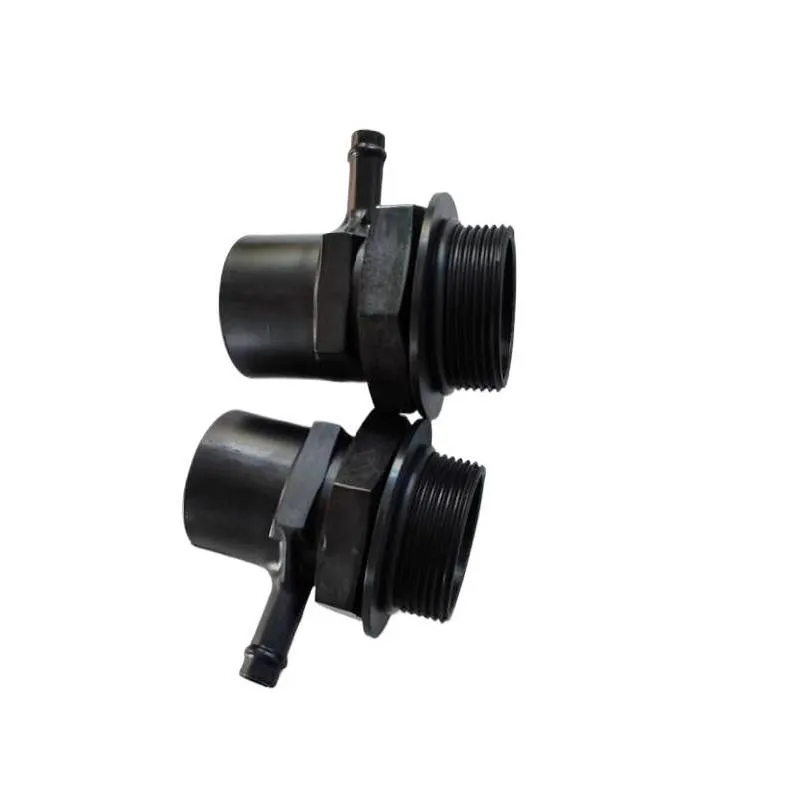 m10 stainless steel washers2026-04-06 05:27When delving into the world of fasteners, understanding the nuances of materials can significantly enhance project outcomes, especially when considering m10 stainless steel washers. These specific washers, often overlooked yet essential components, are found in a myriad spectrum of applications from construction to intricate mechanical assemblies. Their significance is not just based on size but m
 -
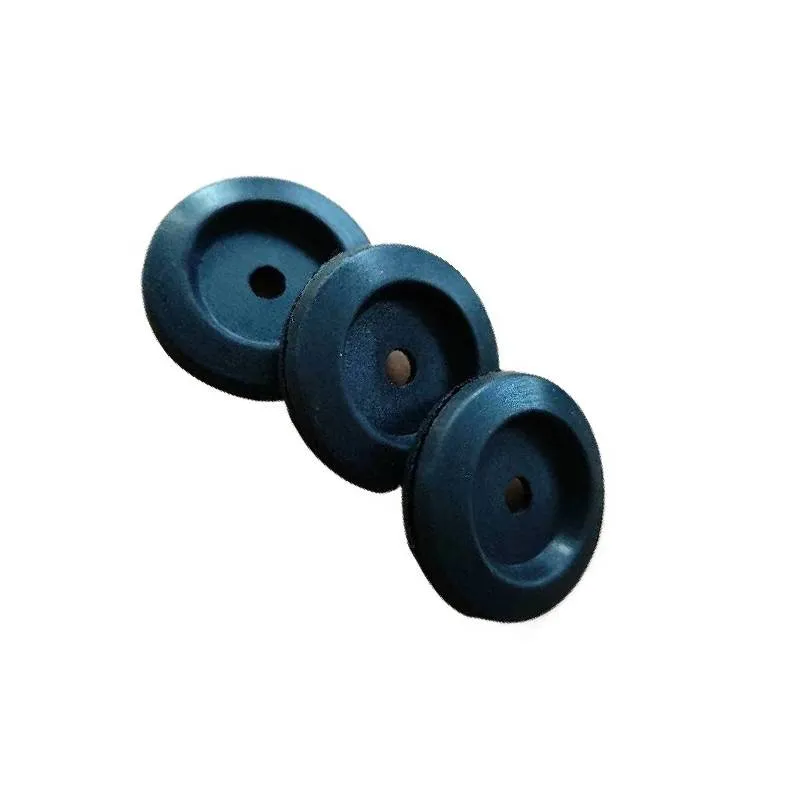 the International Rubber and Plastics Industry Exhibition2026-04-06 05:15Firstly, participating in the rubber and plastic exhibition can greatly increase a company's fame and market share. At the exhibition, companies have the opportunity to showcase their products and technical strength to tens of thousands of professional audiences. These audiences include potential customers, partners, and competitors. Through carefully designed booths and professional demonstration
GaoBeiDianShi Fengye Rubber Seals Co.,Ltd
We take the rubber parts and plastic parts production as the leader ,
set customization, research and development,
Quick Links
Our Products
Contact Us
- Mob: +86 0312-2911666/+86 0312-2911318
- Fax: 0312-2911511
- Email: rubber@hbfengye.com/
- Add: No. 228 North Street, Gaobeidian City, Hebei Province
Copyright © 2025 GaoBeiDianShi Fengye Rubber Seals
Co.,Ltd. All Rights Reserved. Privacy
Policy


